
Carbon Credits
Stircor helps municipalities and industrial facilities turn biosolids management into a climate-positive, revenue-generating opportunity.

Key Benefits
Through our controlled thermal conversion process and biochar production pathway, facilities can reduce emissions, sequester carbon, and generate verified carbon credits — all through a turnkey Partnership-as-a-Service (PaaS) model. What was once a cost center becomes a measurable environmental benefit and a potential new source of revenue.
Generate verified carbon credits through biochar and emissions-reducing thermal processes
Reduce greenhouse gas emissions compared to hauling, landfilling, or traditional treatment
Create long-term carbon sequestration by converting biosolids into stable biochar
Unlock new revenue streams with voluntary market credits valued up to $150 per credit
Meet ESG and sustainability goals backed by transparent, third-party-audited data
Participate in a turnkey program Stircor manages data, monitoring, verification, and reporting
No capital or staffing required through Stircor’s PaaS model
How It Works: The Carbon Credit Process
Carbon credits are earned when Stircor’s process lowers emissions and permanently sequesters carbon through biochar creation. Our platform measures, documents, and verifies these reductions to meet stringent voluntary market requirements.

Reduce Emissions at the Source
On-site drying and gasification reduce hauling emissions, eliminate methane-generating disposal pathways, and transform biosolids into stable carbon-rich material.


Produce Biochar for Carbon Sequestration
Gasification converts biosolids into biochar, which locks carbon into a solid, stable form for centuries—qualifying for carbon credit methodologies.

Measure & Verify Sequestered Carbon
Stircor documents process data, biochar characteristics, and emissions reductions. Independent third-party auditors verify credits to industry standards.

Issue & Monetize Credits
Verified credits are issued and sold on the voluntary carbon market. Facilities can generate meaningful revenue while reducing emissions.
Markets We Serve

Municipalities
Cut disposal costs and create a cleaner, more stable material.
Cities reduce hauling needs, improve sustainability, and unlock beneficial-use options with Class A–ready biosolids — all through a fully managed on-site solution.
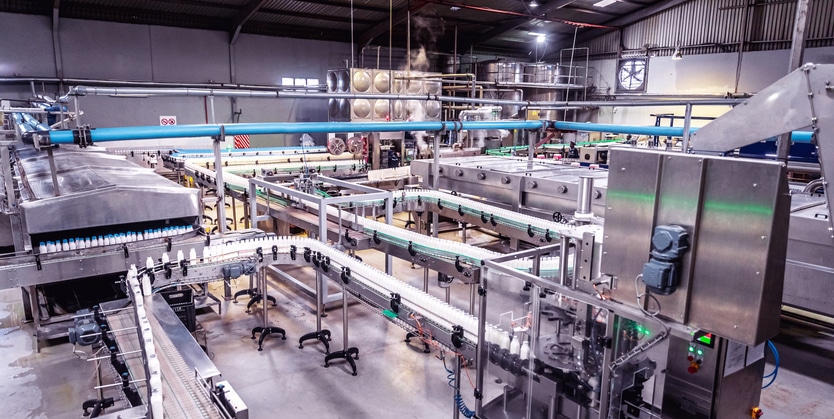
Industrial Facilities
Improve waste handling and reduce long-term operating costs.
Industrial operators benefit from a predictable, lower-volume material that’s easier to store, transport, and manage.
Ready to Turn Emissions Reduction Into Revenue?
Stircor’s carbon credit programs help municipalities and industries reduce emissions, sequester carbon, and generate verified credits — all through a fully managed partnership model.